
Homework
At Wootton Academy, homework is an important part of learning.
It helps students to build confidence, become more independent, and succeed in their studies.
We carefully design homework so that it supports what students are learning in the classroom and helps them to remember key knowledge over time.
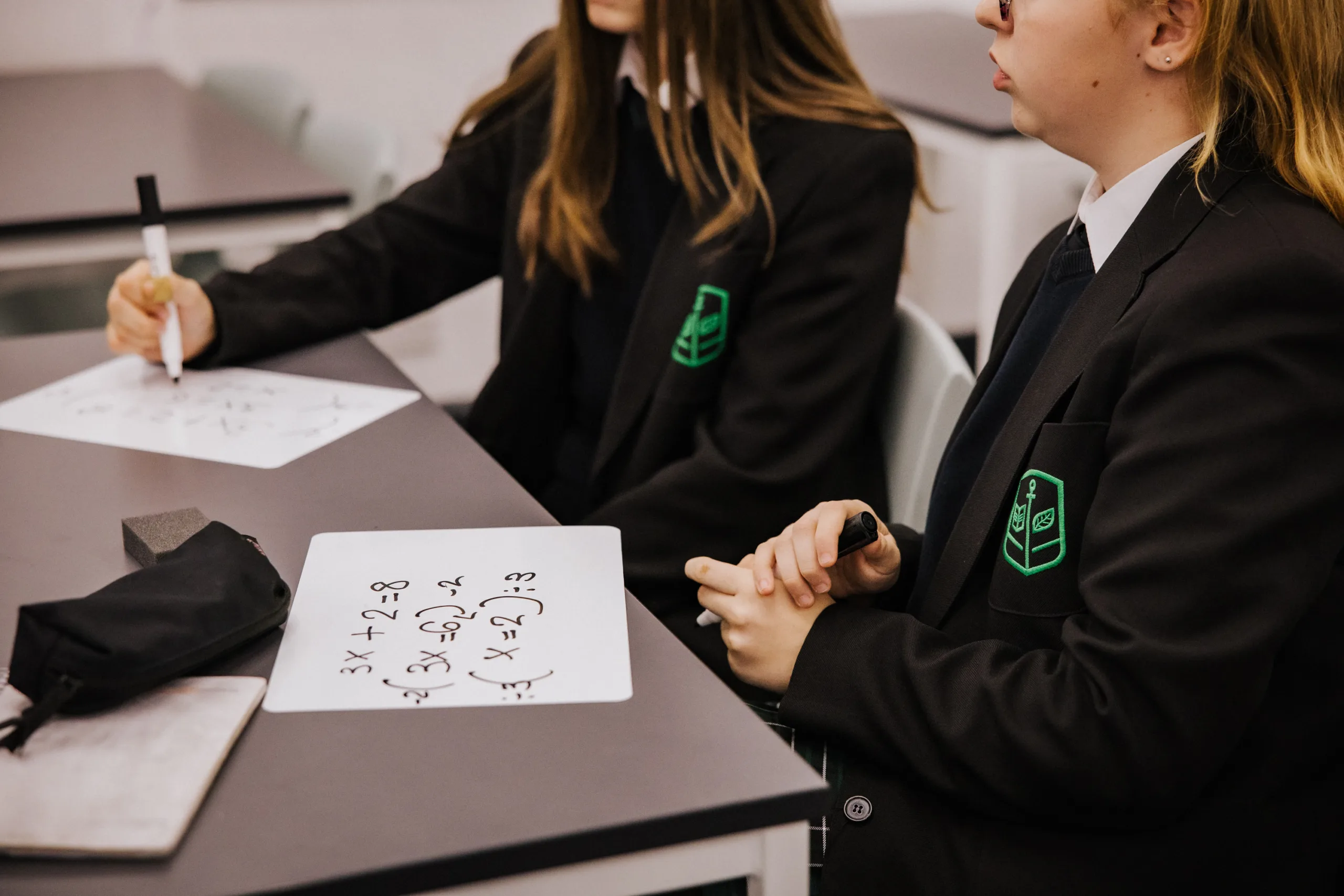
Our Approach
At Wootton Academy, we prioritise quality over quantity.
Homework is carefully planned to be:
Frequently Asked Questions
Why do we set homework?
Homework is designed to:
- Reinforce learning – helping students remember important knowledge through practice and revision
- Build independence – developing organisation, resilience, and responsibility
- Close gaps – giving students the chance to practise and improve
- Prepare for exams – developing skills needed for GCSEs and beyond
- Boost confidence – helping students feel more prepared in lessons
What does homework look like?
At Wootton, homework is focused, purposeful, and linked directly to what has been taught. All homework is set in lessons and students are to write down their homework in their planners. This includes the subject, the task and when it is due.
Typical homework may include:
- Learning key vocabulary or definitions
- Retrieval tasks (e.g. quick quizzes, “look, cover, write, check”)
- Practice questions or exam-style tasks
- Creating revision notes or flashcards
- Pre-reading for upcoming lessons
We avoid tasks like “research and find out” because we want to ensure all students are learning the right knowledge in a structured way.
How often is homework set?
Students follow a homework timetable, and tasks are set regularly by subject teachers. In some cases, homework may be set for the next day as all homework feeds into the lessons.
Typical expectations are:
| Year Group | Time per task | Weekly total |
| Year 7 | ~20 minutes | 2.5 – 4 hours |
| Year 8 | ~30 minutes | 3.5 – 5 hours |
| Year 9 | ~30 minutes | 5 – 6 hours |
| Year 10 | ~40 minutes | 8 – 10 hours |
| Year 11 | ~40 minutes | 8 – 10+ hours |
How is homework checked?
Homework is used to support learning rather than just measure it. It may be:
- Reviewed at the start of the next lesson
- Used by teachers to identify gaps and plan future lessons
- Self-marked or peer-marked
Teachers track homework using our school systems, and students are expected to complete all tasks.
What happens if homework is not completed?
We expect all students to complete homework to the best of their ability.
- Missed homework will result in a 30 minute correction and missed homework completed.
- Repeated missed homework will lead to contact home.
- Persistent issues will be addressed in line with the school behaviour policy.
Positive effort and completion are recognised and rewarded.
How can parents and carers support?
You can support your child by:
- Checking their planner or homework schedule regularly
- Encouraging them to start homework early rather than leaving it to the last minute
- Encouraging use of the Homework Support Club (lunchtime and after school)
- Providing a quiet, distraction-free space to work
- Supporting good routines and organisation